

Effective Parenting Strategies for Blended Families

Blended families are becoming increasingly common in today’s society. With the merging of different family dynamics, parenting in these situations can be both rewarding and challenging. Navigating the complexities of blended families requires effective strategies that foster harmony, respect, and understanding among all family members. In this blog post, we will explore practical parenting strategies that can help blended families thrive.
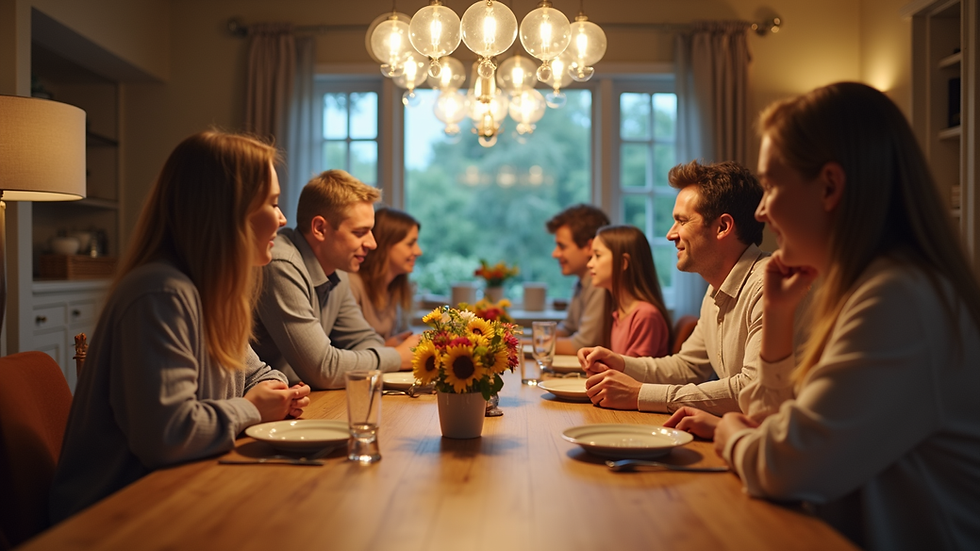
Understanding the Dynamics of Blended Families
Blended families consist of parents and children from previous relationships coming together to form a new family unit. This unique structure can lead to various challenges, including:
Different Parenting Styles: Each parent may have their own approach to discipline, communication, and family values.
Loyalty Conflicts: Children may feel torn between their biological parents and stepparents.
Adjusting to New Roles: Stepparents may struggle to find their place within the family, while children may resist accepting new parental figures.
Recognizing these dynamics is the first step toward creating a harmonious family environment.
Establishing Open Communication
Effective communication is the cornerstone of any successful relationship, and it is especially crucial in blended families. Here are some strategies to promote open dialogue:
Family Meetings: Regular family meetings provide a platform for everyone to express their thoughts and feelings. This encourages transparency and helps address any issues before they escalate.
Active Listening: Encourage family members to listen actively to one another. This means giving full attention, acknowledging feelings, and responding thoughtfully.
Encourage Expression: Create an environment where children feel safe to express their emotions. Validate their feelings and reassure them that it’s okay to share their concerns.
Building Relationships Among Family Members
Fostering strong relationships among family members is essential for a blended family’s success. Here are some effective strategies:
One-on-One Time: Encourage parents to spend individual time with each child. This helps build trust and strengthens bonds.
Shared Activities: Engage in activities that everyone enjoys, such as game nights, outdoor adventures, or cooking together. Shared experiences create lasting memories and promote unity.
Respecting Boundaries: Each family member may have different comfort levels regarding personal space and privacy. Respecting these boundaries fosters mutual respect.
Setting Clear Expectations and Boundaries
Establishing clear expectations and boundaries helps create a sense of stability within a blended family. Here’s how to do it:
Family Rules: Collaboratively develop family rules that everyone agrees upon. This ensures that all members feel included in the decision-making process.
Consistent Discipline: Consistency in discipline is crucial. Parents should communicate and agree on disciplinary actions to avoid confusion and mixed messages.
Role Clarity: Clearly define the roles of each family member. Stepparents should understand their position and responsibilities, while children should know what is expected of them.
Encouraging Respect and Empathy
Respect and empathy are vital components of a healthy family dynamic. Here are some ways to cultivate these values:
Model Behavior: Parents should model respectful behavior in their interactions with each other and the children. Children learn by observing their parents.
Teach Empathy: Encourage children to consider others’ feelings. Discuss scenarios where empathy can be applied, helping them understand different perspectives.
Acknowledge Achievements: Celebrate each family member’s achievements, no matter how small. This fosters a supportive environment where everyone feels valued.
Navigating Loyalty Conflicts
Loyalty conflicts can arise when children feel torn between their biological parents and stepparents. Here’s how to address these issues:
Open Dialogue: Encourage children to talk about their feelings regarding loyalty. Validate their emotions and reassure them that it’s okay to love both parents.
Avoid Negative Talk: Parents should refrain from speaking negatively about each other in front of the children. This helps prevent feelings of guilt or divided loyalty.
Reinforce Love: Remind children that love is not limited. They can have strong relationships with both their biological and stepparent.
Embracing Flexibility and Adaptability
Blended families often face unexpected challenges. Embracing flexibility and adaptability can help navigate these situations:
Be Open to Change: Understand that family dynamics may evolve over time. Be willing to adjust strategies as needed.
Problem-Solving Together: When conflicts arise, approach them as a team. Collaboratively brainstorm solutions that work for everyone involved.
Stay Positive: Maintain a positive outlook, even during tough times. A positive attitude can influence the overall family atmosphere.
Seeking Support and Resources
Parenting in a blended family can be complex, and seeking support can make a significant difference. Consider the following resources:
Counseling: Family therapy can provide a safe space for family members to express their feelings and work through challenges.
Support Groups: Joining a support group for blended families can connect you with others facing similar situations, offering valuable insights and encouragement.
Books and Workshops: Explore literature and workshops focused on blended family dynamics. These resources can provide practical strategies and new perspectives.
Conclusion
Parenting in a blended family requires patience, understanding, and effective strategies. By fostering open communication, building strong relationships, setting clear expectations, and encouraging respect and empathy, blended families can create a nurturing environment for all members. Remember, every family is unique, and it’s essential to adapt these strategies to fit your specific situation. Embrace the journey of blended family life, and take proactive steps to ensure a harmonious and loving home for everyone involved.


Comments